

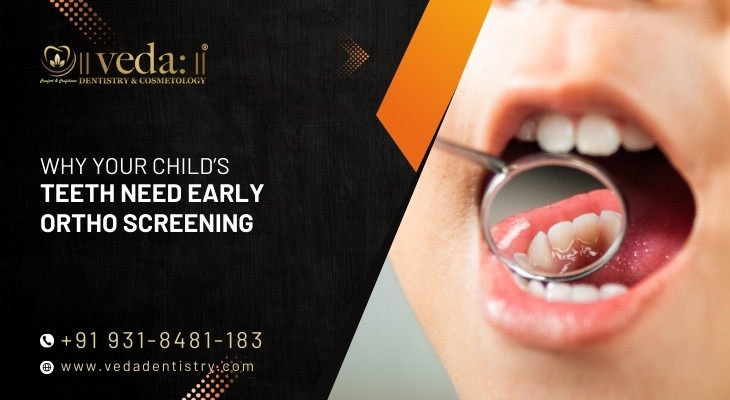
Most parents believe orthodontic treatment begins in the teenage years, when permanent teeth have fully erupted and braces become visible. But in reality, the most powerful time to protect your child’s smile is much earlier.
Between the ages of 7 and 9, a child’s jaw is still growing, flexible, and responsive. This growth window gives orthodontists a unique opportunity to guide development naturally, often preventing severe misalignment, long years of braces, or even jaw surgery in the future. Early orthodontic screening isn’t about putting braces on young children, it’s about planning ahead, gently and thoughtfully.
At ages 7–9, growth is your biggest advantage.
During this stage, the jaws are still developing, which means orthodontic problems can be identified and managed before they become complex. A simple observation or minor intervention at this age can spare your child years of discomfort and invasive treatment later on.
Early screening allows us to:
Instead of reacting to problems later, early orthodontic care focuses on prevention and guidance.
Jaw Discrepancies (Class II & Class III)
When the upper jaw is too forward or the lower jaw grows ahead, it can affect facial balance, chewing, speech, and confidence.
During growth, these issues are often manageable with orthopedic guidance. If ignored, they may later require surgical correction.
Crossbites
Oral Habits
Habits like thumb sucking, tongue thrusting, or lip biting may seem harmless, but over time, they can significantly alter tooth alignment and jaw development.
Early identification helps us stop these habits before permanent changes occur.
Narrow Jaws and Crowding
Many parents worry that an early orthodontic visit means their child will immediately need braces.
That’s simply not true.
Not every child requires orthodontic treatment.
But for children who do, early screening ensures that treatment is:
Sometimes, the best outcome is simply reassurance and observation, and that peace of mind alone is worth it.
Orthodontics isn’t just about straight teeth. It’s about:
Early orthodontic screening helps ensure your child grows into their smile, naturally and confidently, without unnecessary struggle later on.
The ideal age for the first orthodontic screening is between 7 and 9 years.
At Veda Dentistry, we focus on gentle, growth-guided, and child-friendly orthodontic care, always prioritizing what’s best for your child’s comfort, health, and future smile.
Early checks don’t rush treatment. They prevent regret.