

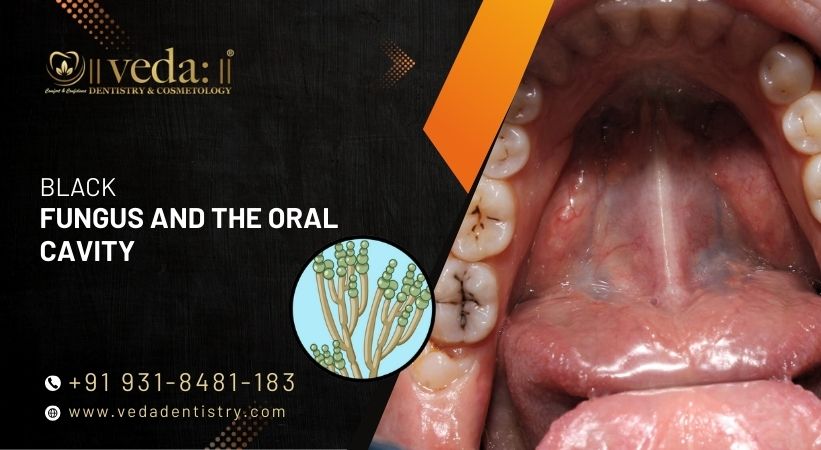
A few years ago, the term black fungus suddenly started popping up in news headlines, WhatsApp forwards, and worried conversations across Delhi. It sounded alarming. The name itself felt dramatic. And when it was linked to serious infections, especially during the COVID period, concern spread quickly.
But here’s the thing: black fungus and the oral cavity is a topic that deserves clarity, not confusion. It’s important and serious, sometimes. But also manageable when detected early and handled properly.
At Veda Dentistry & Cosmetology in Delhi, we believe awareness is key. When people understand what black fungus actually is, who is at risk, and what signs to look for inside the mouth, they feel empowered rather than frightened.
So let’s talk about it calmly, clearly, and without unnecessary drama.
Despite the dramatic name, black fungus isn’t actually black in most cases. The medical term for it is mucormycosis: a rare but serious fungal infection caused by a group of molds called mucormycetes.
These fungi are naturally present in the environment. They live in soil, decaying leaves, compost piles, and even in the air around us. Most of the time, our immune system handles them without any problem.
The infection usually develops when fungal spores are inhaled or enter the body through cuts or wounds. In certain vulnerable individuals, the fungus can spread to areas like the sinuses, lungs, brain, and, yes, the oral cavity.
During the COVID-19 pandemic, there was a noticeable increase in mucormycosis cases across India, including Delhi. This was mainly seen in people who had:
Steroids, while life-saving in many COVID cases, can suppress immunity and raise blood sugar levels, creating a perfect environment for fungal growth.
But it’s important to remember: black fungus is still considered rare. Most healthy individuals are not at high risk.
Black fungus does not randomly affect everyone. It typically targets people whose immune defenses are compromised.
You may be at higher risk if you:
Think of it this way: a strong immune system acts like a security guard. When that guard is alert, fungi don’t get far. But when immunity drops, the body becomes more vulnerable.
That’s why managing overall health plays such a big role in prevention.
Symptoms depend on where the infection develops. When it affects the sinuses and facial region (which is common), early signs may include:
But when we talk specifically about black fungus and the oral cavity, the signs inside the mouth become especially important.
Dentists are often among the first healthcare professionals to notice early signs.
Inside the mouth, symptoms may include:
One of the more recognizable signs is dark discoloration on the roof of the mouth. It may look like a bruise or a patch that doesn’t heal.
Teeth may feel mobile even without gum disease.
Persistent discomfort in the upper jaw, especially near the sinuses, may be a warning sign.
Some patients report a strange numb sensation on one side of the face.
Mouth sores that worsen or don’t improve over time deserve professional evaluation.
The key takeaway? Early detection makes a massive difference. And regular dental check-ups can help catch unusual signs before they progress.
The mouth is not isolated from the rest of the body. It connects directly to the sinuses and respiratory tract.
In many cases of mucormycosis, the infection begins in the nasal cavity or sinuses and spreads to nearby structures, including the oral cavity and upper jaw.
This is why dentists in Delhi became especially vigilant during the surge of cases. Recognizing changes in gum tissue, bone, and oral mucosa became crucial in identifying potential infections early.
Understanding the connection between black fungus and the oral cavity is not about fear; it’s about awareness.
Now let’s talk about solutions, because treatment is absolutely possible.
Treatment typically involves:
Intravenous antifungal drugs are commonly used. These medications help control fungal growth.
If diabetes is present, blood sugar levels must be controlled aggressively.
If steroid use is involved, doctors carefully adjust dosage.
In some cases, infected tissue may need to be removed to prevent further spread. While this sounds intense, it is done to protect surrounding healthy structures.
The earlier treatment begins, the better the outcome.
And here’s the reassuring part: when identified early, recovery chances improve significantly.
Prevention isn’t complicated. It’s mostly about strengthening your body’s natural defenses.
Uncontrolled diabetes is one of the biggest risk factors. Regular monitoring and medication adherence make a huge difference.
Steroids should only be taken under medical supervision.
Brushing twice daily, flossing, and regular dental visits help keep infections at bay.
If you’ve recently recovered from COVID, especially a severe case, follow your doctor’s advice regarding follow-ups.
Beyond medical precautions, small daily habits matter.
Think of prevention as maintaining your body’s natural shield. The stronger it is, the lower the risk.
For most healthy individuals in Delhi, black fungus is not something to constantly fear.
It is rare.
It becomes serious mainly when underlying health conditions are poorly controlled.
Staying informed, watching for unusual oral symptoms, and seeking professional advice when something feels off, that’s enough.
There’s no need to panic at every mouth ulcer or sinus headache.
You should book an appointment if you notice:
At Veda Dentistry & Cosmetology, careful evaluation ensures that symptoms are assessed properly without unnecessary alarm.
Sometimes it’s nothing serious. Sometimes it needs quick action. Either way, clarity brings peace of mind.
Health topics can sometimes feel overwhelming, especially when dramatic names are involved. But knowledge replaces fear with understanding.
Understanding black fungus and the oral cavity requires awareness, especially for high-risk individuals, not constant anxiety.
If you have concerns, recent COVID recovery, uncontrolled diabetes, or unusual oral symptoms, don’t ignore them. A professional evaluation can provide clarity.
At Veda Dentistry & Cosmetology, patient education and early detection are always a priority. If something feels unusual, schedule a check-up and get reassurance from experts who understand oral health inside and out.
Sometimes, peace of mind begins with a simple dental visit.
Visit:
Name:Veda Dentistry and Cosmetology
Address: 12, in front of Karkardooma Court Metro Station, Arjun Gali, A G C R Enclave, Anand Vihar, Delhi, 110092
Phone: +91 9318481183